How to size an RV solar system
9 min read
To size an RV solar system, first work out how much energy you actually use in a day by listing each appliance, its power draw and how long it runs. Size the battery to cover that daily energy at the depth of discharge you are willing to use, then size the solar array to refill it within the usable daylight of your least sunny season rather than your sunniest. A camper van with a compressor fridge typically lands around 200–400W of solar and 100–200Ah of lithium, while a full-time motorhome running an inverter usually needs 600W or more.
Step 1: Work out your daily energy use
Everything follows from this number. List every load, multiply its power draw by the hours it runs each day, and add the results up. Energy is measured in watt-hours (Wh), which is simply watts multiplied by hours, so a 60W fridge running for ten hours a day uses 600Wh.
| Load | Typical draw | Hours per day | Watt-hours per day |
|---|---|---|---|
| Compressor fridge | 45–60W | 8–12 h (duty cycle) | 400–600Wh |
| LED lighting | 5–15W total | 5 h | 25–75Wh |
| Laptop charging | 60–90W | 3 h | 180–270Wh |
| Water pump | 50–80W | 0.5 h | 25–40Wh |
| Phone and tablet charging | 20–40W | 3 h | 60–120Wh |
| Diesel heater fan | 10–30W | 8 h | 80–240Wh |
| Inverter for 230V appliances | — | — | add 10–15% losses |
Step 2: Size the battery
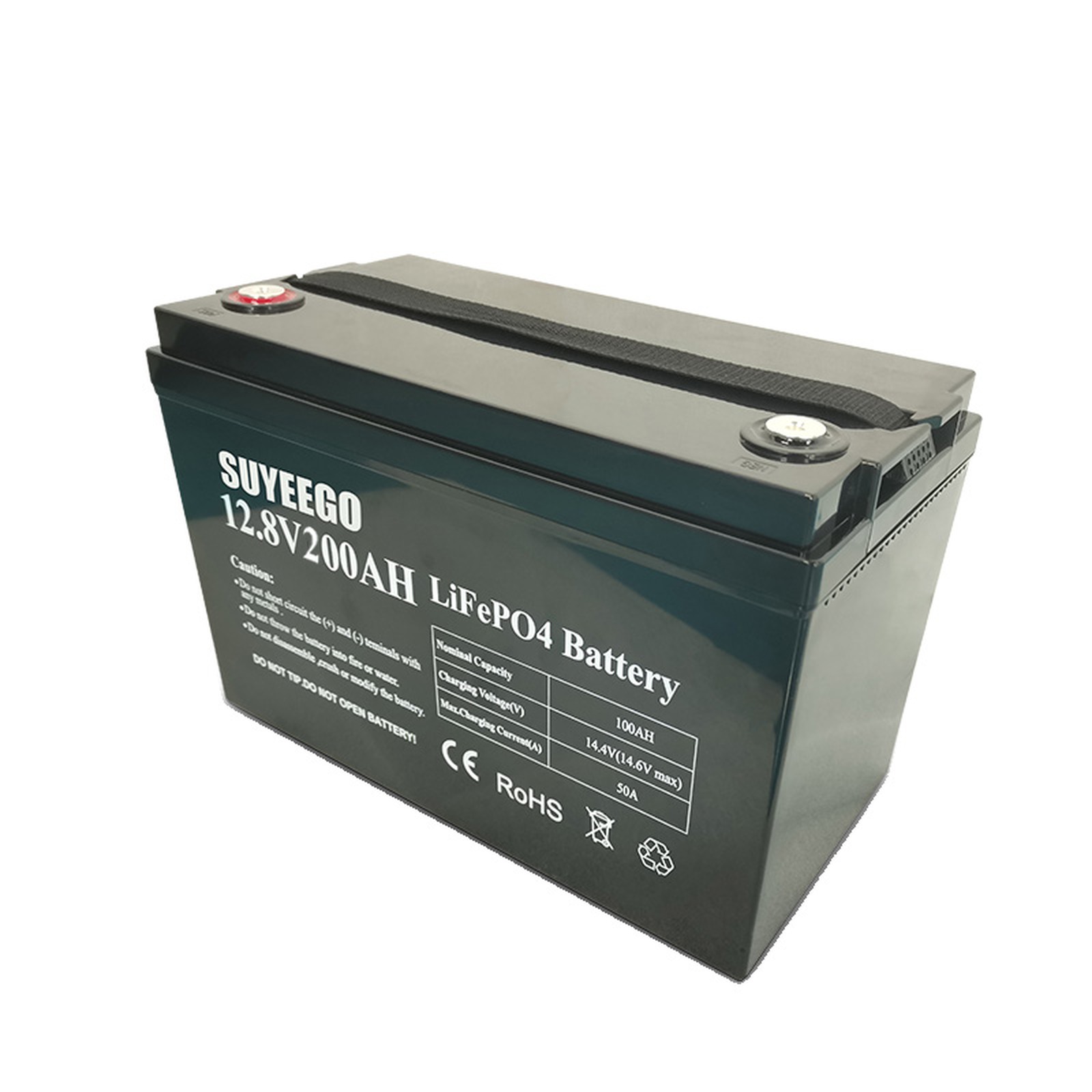
The battery has to carry you through the hours when the panels produce nothing, and through cloudy days. Start from your daily watt-hours, then divide by two things: the system voltage, and the depth of discharge you intend to use.
- Usable amp-hours = daily watt-hours ÷ system voltage ÷ usable depth of discharge
- Lithium (LiFePO4) can be worked to roughly 90% depth of discharge
- Lead-acid and AGM should not be taken below about 50% if you want them to last
- If you routinely park in shade, size for two or three days of autonomy rather than one
For example, 1,200Wh per day on a 12V system: with lithium at 90% depth you need about 111Ah of nameplate capacity (1200 ÷ 12 ÷ 0.9). The same load on AGM at 50% depth needs about 200Ah, because half its capacity is not available to you.
Step 3: Size the solar array
Divide your daily watt-hours by the peak sun hours you actually get, then divide again by a realistic system efficiency figure. Peak sun hours are not daylight hours — they are the equivalent number of hours at full rated output. Northern Europe in winter can be as low as one hour; southern Europe in summer can exceed six.
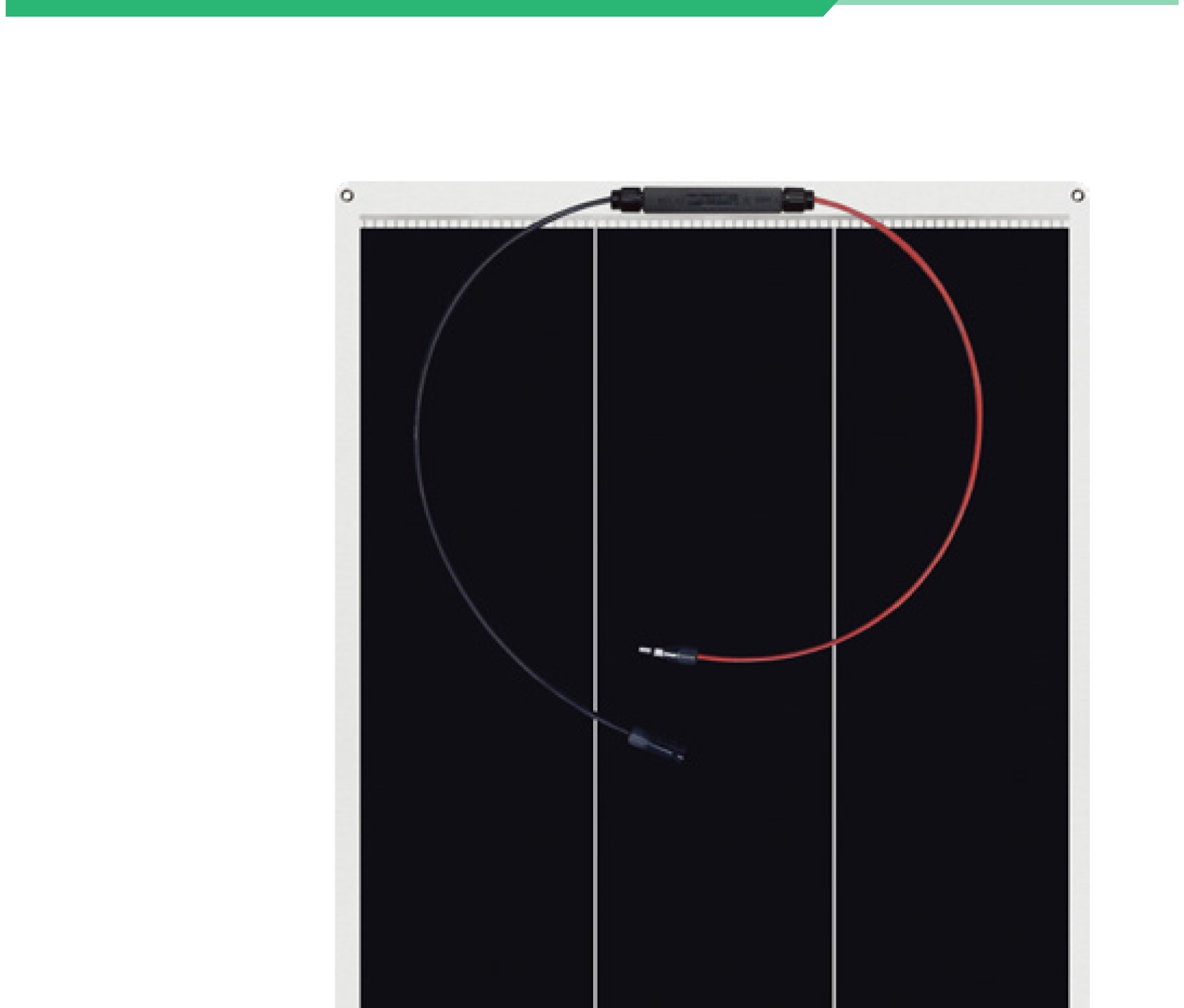
- Array watts = daily watt-hours ÷ peak sun hours ÷ 0.75
- The 0.75 covers controller losses, wiring losses, heat and the fact that a panel rarely sits square to the sun
- Size for your least sunny season if the system has to work year-round
- A flat roof-mounted panel loses more than you expect; there is no ability to tilt it towards the sun
1,200Wh per day in a location with three peak sun hours needs around 533W of panel (1200 ÷ 3 ÷ 0.75). In a location with one winter peak sun hour the same load would need 1,600W, which is usually impossible on a van roof — that is the point at which most people accept a second charging source such as a DC-DC charger from the alternator.
Step 4: Match the controller and the inverter
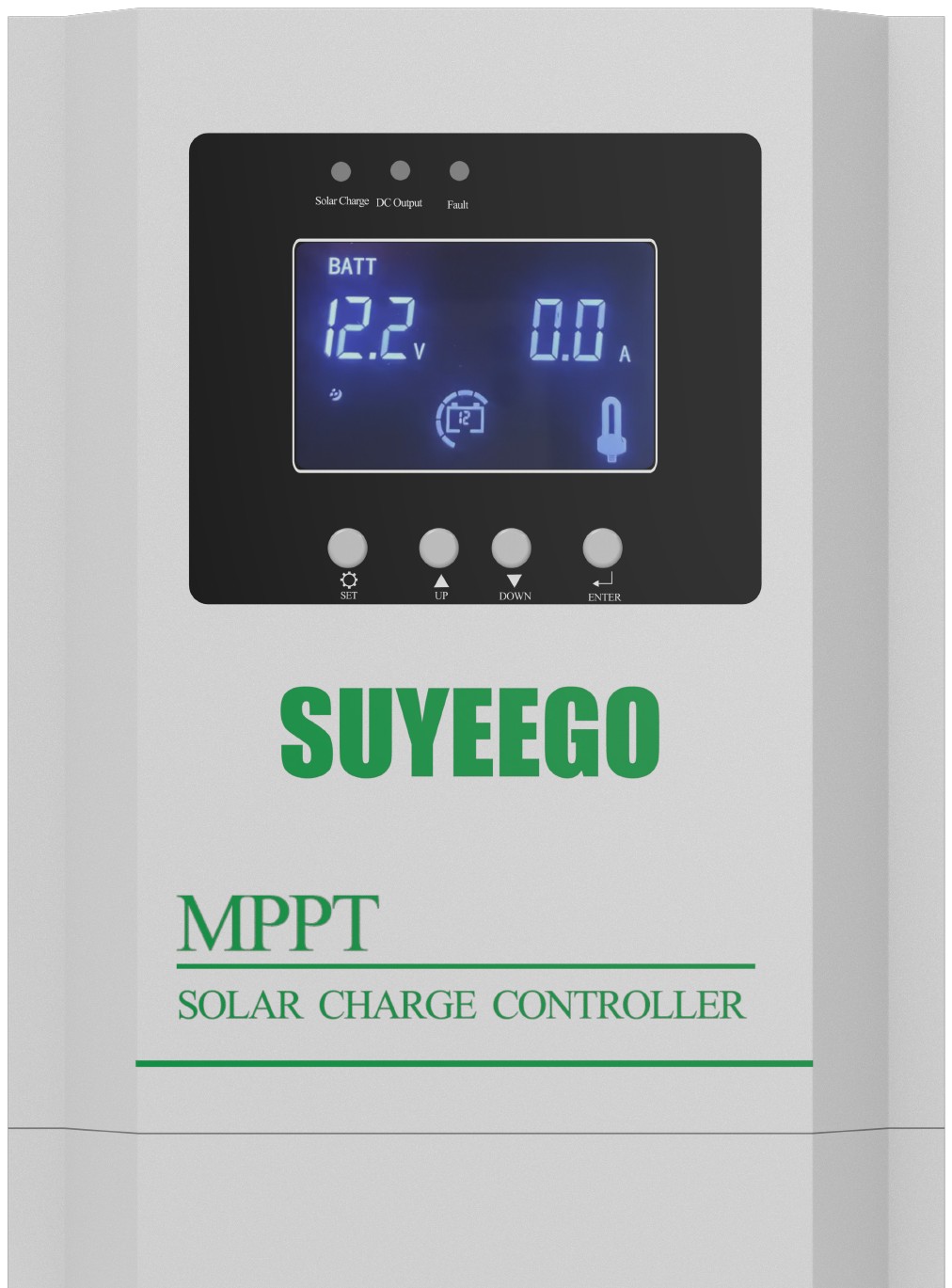
The controller must be rated for the array's short-circuit current with headroom, and for the array's open-circuit voltage at its coldest — panel voltage rises as temperature falls, and exceeding the controller's maximum input voltage destroys it.
- Check the controller's maximum PV open-circuit voltage against the array's Voc corrected for your coldest expected temperature
- Use MPPT rather than PWM once the array goes above roughly 200W
- Size the inverter by continuous rating, not peak, and leave headroom for surge loads from motors and compressors
- A pure sine wave inverter is required for anything with a motor, compressor or sensitive electronics
Winter, shade and the honest margin
Most systems that disappoint their owners were sized on a summer figure. Two habits prevent that: size the array for your worst month rather than your best, and treat the calculated battery capacity as a minimum rather than a target. Panels also lose output when partly shaded, and because cells are wired in series, shading one cell can cut a string's output far more than the shaded area would suggest.
Frequently asked questions
- How many watts of solar do I need for a camper van?
- Most camper vans with a compressor fridge need between 200W and 400W of solar. The figure depends on daily energy use and on how much sun you get: a van used mainly in southern Europe in summer needs less than the same van used in northern Europe in winter.
- How long do I need to run the engine to charge the batteries?
- It depends on your charger's output and the battery's capacity, but alternator charging is generally slower per hour than solar over a full day. A DC-DC charger moves a predictable number of amps while you drive, which is why it complements solar rather than replacing it.
- Can I have too much solar panel?
- The array itself cannot be too large for the battery, but it can exceed what the charge controller is rated to handle. Once the array's output passes the controller's maximum PV input power or open-circuit voltage, you either need a larger controller or you are wasting the extra panel capacity.
- Does a bigger battery mean I need more solar?
- Not automatically. A larger battery gives you more days of autonomy, but if the array cannot refill your daily consumption, a bigger battery only delays the point at which it runs flat. Array size follows daily energy use; battery size follows how long you want to go without sun.